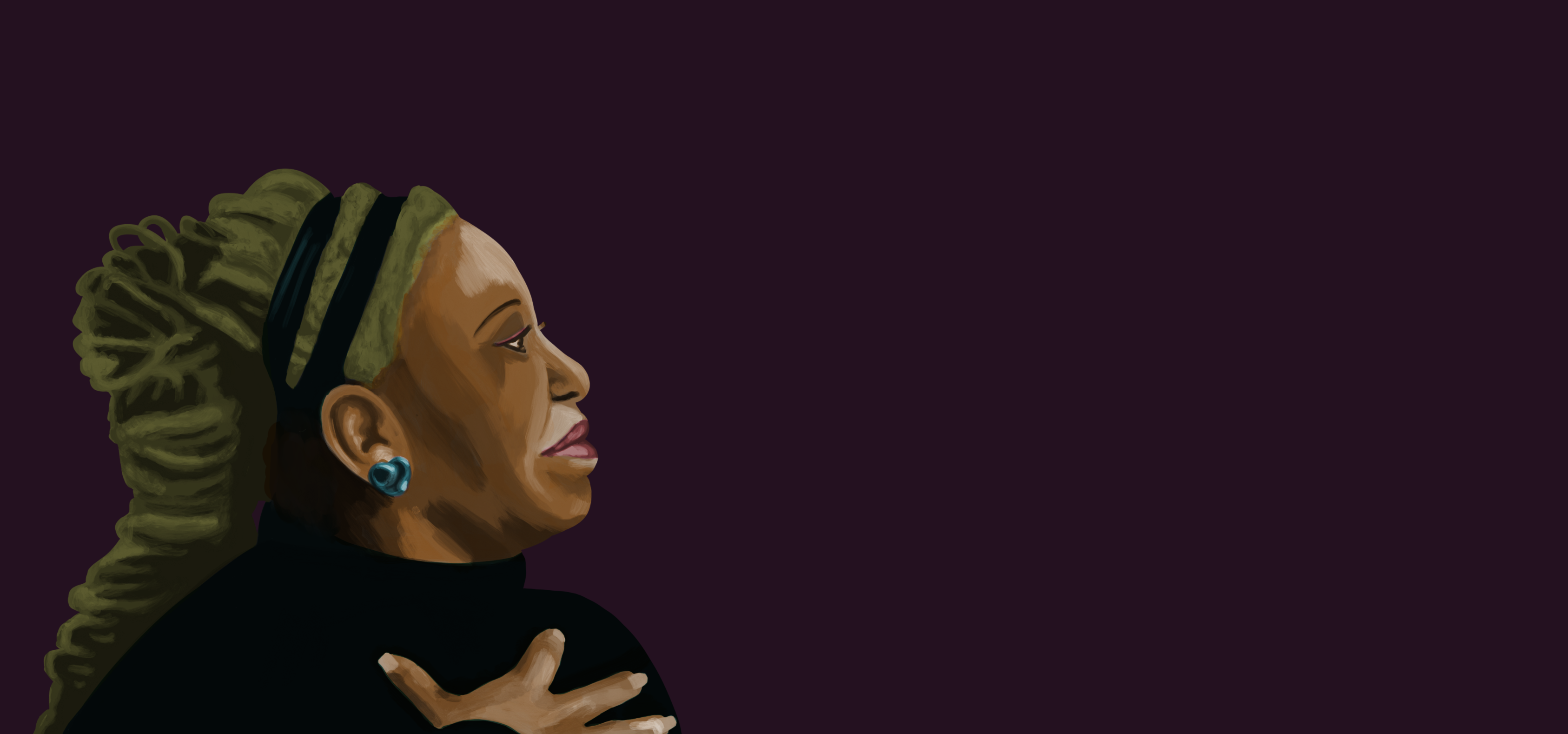
Interview with Maizey Ruscin
"Toni Morrison had the courage to talk about topics people would avoid. We can grow by admiting them as part of our everyday life."
Interview Introduction:
Maizey Ruscin is a senior at Midview High School in Grafton, Ohio. She read Toni Morrison’s The Bluest Eye in Mrs. Guildoo’s CCP class and came to recognize the novel’s personal significance. For Maizey, Morrison’s work gave voice to feelings about childhood that helped her reflect on and better understand her own experiences. Maizey plans to study the arts after taking a gap year, during which she hopes to gain experience in the “real world” before returning to the classroom.
This interview was conducted by Amy Jindra at LCCC’s Bass Library on Tuesday, September 29, 2026.
What is your connection to Lorain?
Before high school, I moved around frequently. When I began living with my grandmother, I settled in Grafton, in Lorain County. At Midview High School, I found wonderful teachers. Mrs. Guildoo is one of the teachers who taught me how to think critically and express myself through writing. Of course, Grafton is not the same city as Lorain, but I think the two communities may share some similarities. Grafton, for example, has recently undertaken projects to revitalize its downtown.
My mother, who raised me as a single mother, also ran a business in Lorain. She once took me to a show at the Lorain Palace Theatre, and I had such a wonderful time. That day still means a great deal to me. I also remember visiting Sunset Café at Lakeview Park and being struck by how beautiful the view was. Just sitting there and looking out toward the beach felt peaceful and ordinary in the best possible way. I sometimes wonder whether Toni Morrison might have felt something similar when she looked at the lake.
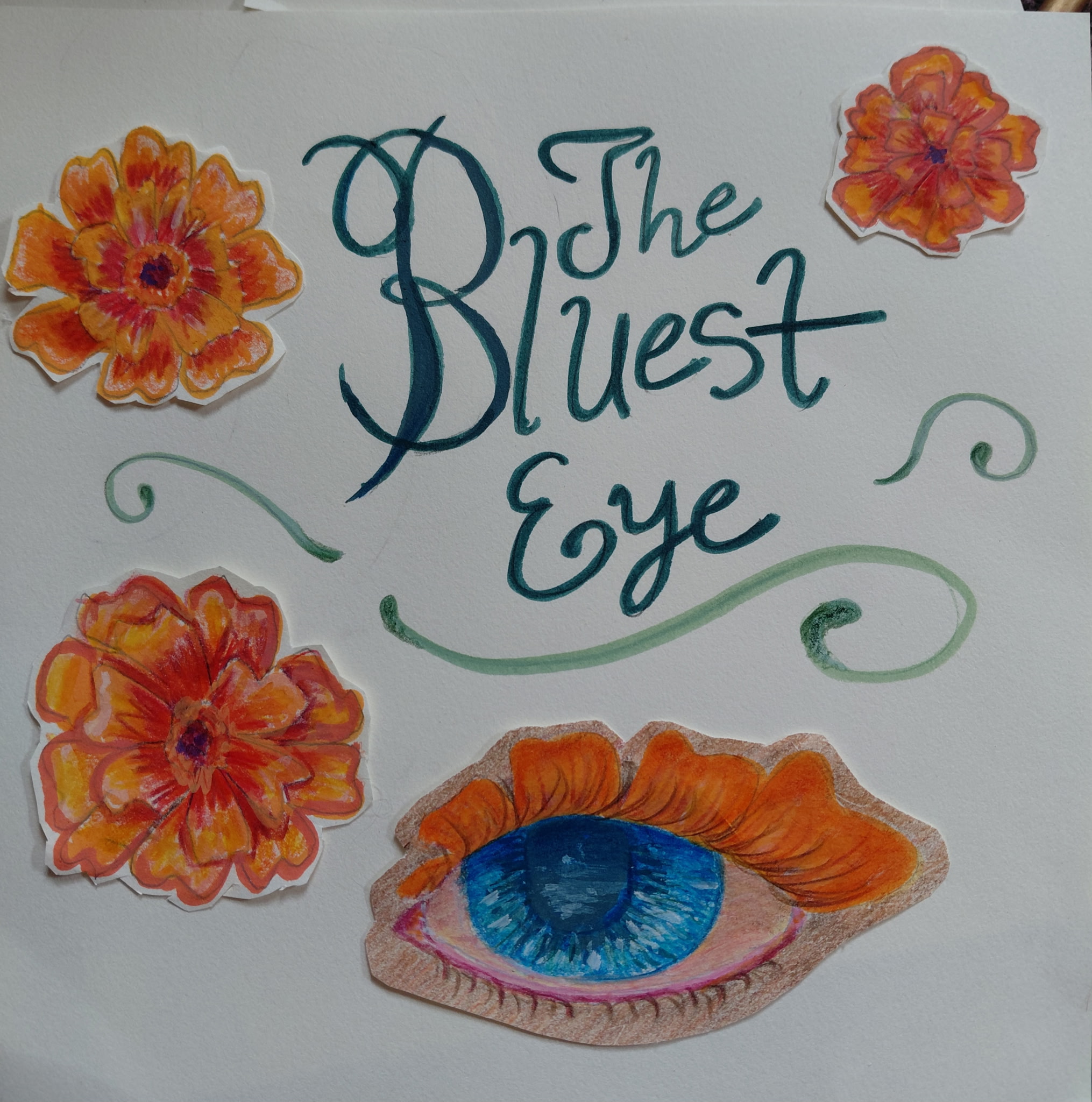
How did Toni Morrison’s The Bluest Eye allow you to connect with the characters or the author?
Toni Morrison helped me understand feelings, pain, and memories that I had not been able to name clearly before. She writes about the substance of life by exploring subjects that people may not want to talk about--subjects such as teen pregnancy, incest, and self-hatred. Her novel asks us not only to confront these difficult topics but also to think about why such experiences occur in people’s lives. Morrison approaches them with honesty and care, while also writing beautifully.
Pecola is overlooked and unheard by her parents and the people around her. Although I have not exactly experienced what Pecola goes through, I could understand her desire for beauty and attention, her deep loneliness, and the way she retreats from a reality that becomes unbearable. Through The Bluest Eye, I realized that many of these feelings and desires are universal. Pecola’s experience, although almost impossible for her to express, allowed me to feel connected to Morrison’s work. To me, that connection itself offers a kind of hope.
What do you think people should know about Toni Morrison?
Her work is timeless. She gives a voice to people who are often unseen and unheard. While reading The Bluest Eye, I also watched the film Precious, which was based on Sapphire’s novel Push. I could not help connecting the main character’s initial difficulty expressing herself with Pecola’s struggles. Characters like these are not simply fictional. People who feel unseen, unheard, or unable to tell their own stories exist all around us in real life. Toni Morrison brings them to our eyes in creative ways.